
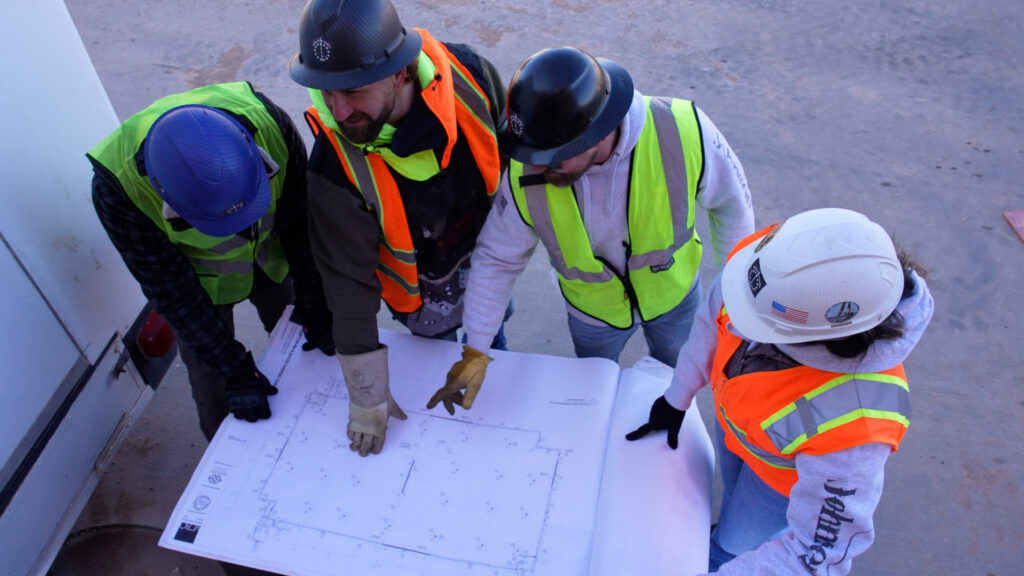
From Blueprint to Reality: What Happens Before Construction Even Begins
When people think about construction, they often picture excavators, framing crews, and buildings taking shape. But some of the most important work happens long before construction ever begins.
Whether you’re planning a custom home, commercial building, or large-scale renovation, the success of your project depends heavily on what happens during the pre-construction phase. Proper planning can save time, reduce costs, minimize delays, and help ensure the final result matches your vision.
At Johnson Revolution Construction, we understand that successful projects begin with a solid plan. Here’s a closer look at what happens before the first shovel ever hits the ground.
Defining the Project Vision
Every project starts with an idea.
During the initial planning phase, builders work closely with clients to understand their goals, priorities, and expectations. This includes discussing the intended use of the space, design preferences, budget considerations, and long-term objectives.
Establishing a clear vision early helps create a roadmap for every decision that follows.
Evaluating the Building Site
No two properties are exactly alike.
Before construction begins, the site must be carefully evaluated to identify factors that may impact the project. Builders examine:
- Topography and terrain
- Soil conditions
- Access to utilities
- Drainage considerations
- Environmental factors
- Local zoning requirements
Understanding these conditions early helps avoid costly surprises later in the process.
Developing Accurate Budgets
One of the most important parts of pre-construction planning is establishing a realistic budget.
This involves estimating labor costs, materials, equipment, permits, subcontractors, and contingency expenses. A detailed budget helps clients make informed decisions and prevents unexpected costs from disrupting the project.
Experienced contractors know how to identify potential cost drivers before construction starts, allowing for better financial planning.
Design Coordination and Review
Before building can begin, plans must be reviewed thoroughly.
This stage often involves collaboration between architects, engineers, designers, and construction professionals. Reviewing plans early allows the team to identify potential conflicts, improve constructability, and ensure every detail is accounted for.
A small adjustment during planning can prevent a major issue during construction.
Permits and Approvals
Many projects require permits and inspections before work can begin.
Depending on the project, approvals may be needed from local municipalities, zoning boards, utility companies, or other agencies. While permitting timelines vary, starting this process early helps prevent unnecessary delays.
Experienced builders understand local requirements and can help navigate the approval process efficiently.
Scheduling Trades and Materials
Construction projects involve many moving parts.
From excavation crews and concrete contractors to framers, electricians, and finish specialists, each trade must be coordinated carefully. Material lead times must also be considered, especially for custom products or specialty materials.
Proper scheduling helps ensure the right people and materials are available when they’re needed.
Identifying Potential Challenges Early
One of the biggest benefits of pre-construction planning is risk management.
Potential challenges such as difficult site conditions, long material lead times, budget concerns, or design conflicts can often be identified before construction begins. Addressing these issues early is far less expensive than fixing them after work has started.
This proactive approach helps keep projects on schedule and within budget.
Why Pre-Construction Planning Matters
Many construction delays and budget overruns can be traced back to inadequate planning.
Investing time upfront allows builders and clients to:
- Make informed decisions
- Reduce unexpected costs
- Improve project efficiency
- Minimize delays
- Create better overall outcomes
The more preparation completed before construction starts, the smoother the building process tends to be.
Final Thoughts
The most successful construction projects aren’t defined by what happens on the jobsite—they’re defined by the planning that happens beforehand.
At Johnson Revolution Construction, we believe every project deserves a strong foundation, beginning with careful preparation, thoughtful coordination, and clear communication. By investing in the pre-construction process, we help clients move forward with confidence and create projects built for long-term success.
If you’re planning a custom home, commercial building, or construction project, contact Johnson Revolution Construction to start the conversation and build your project the right way from day one.