
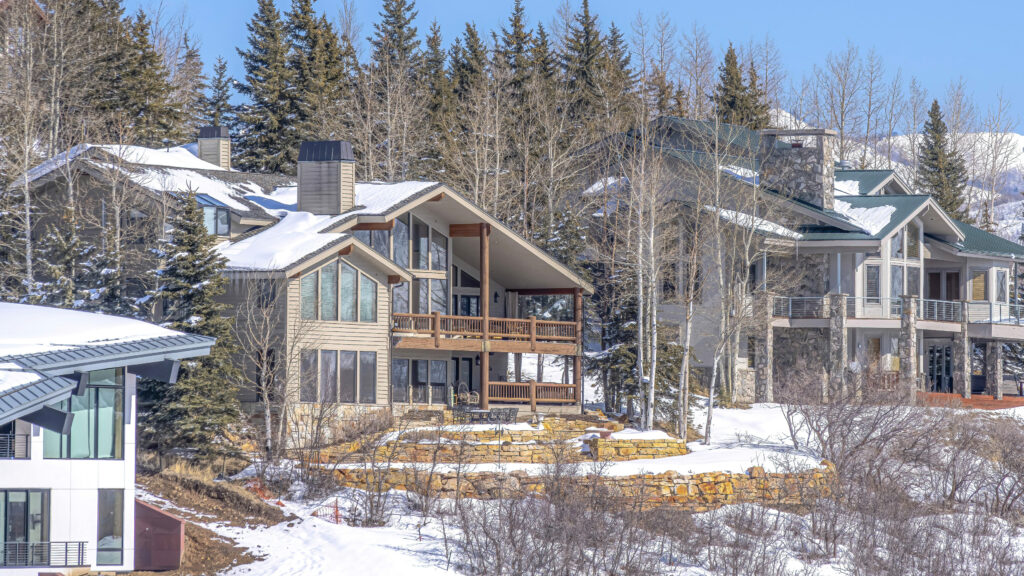
Building a Custom Home in Utah? 9 Decisions to Make With Winter in Mind
Utah winters have a way of revealing which home-design decisions were made thoughtfully.
Snow accumulates on roofs and driveways. Wet boots and coats make their way inside. Temperatures drop. Heating systems work harder. And outdoor areas that looked perfect in July may function very differently in January.
When you’re building a custom home, you have an opportunity to think about those realities before construction begins.
Cold-climate planning isn’t simply about adding more insulation. The home’s orientation, roof design, windows, entrances, garage, drainage, mechanical systems, and even driveway placement can influence how comfortable and practical the home feels during winter.
Johnson Revolution Construction emphasizes identifying challenges early, evaluating practical construction conditions, and developing solutions that align with a project’s long-term goals. That approach is particularly valuable when designing a custom home for Utah’s changing seasons.
Here are nine decisions worth considering before you build.
1. Consider How the Home Sits on the Property
Before finalizing a floor plan, consider the property itself.
Where does the sun hit during winter?
Which direction will major windows face?
Where are the prevailing winds?
Where will snow accumulate?
Where are your best views?
Home orientation can influence natural light, indoor comfort, snowmelt, outdoor living, and even how different rooms feel throughout the year.
The ideal placement isn’t necessarily determined by a single factor. A successful site plan balances views, access, sunlight, privacy, drainage, and the realities of the property.
That’s one reason early consultation can be valuable. JRC’s consultation process focuses on identifying potential challenges before construction and developing recommendations based on real-world conditions.
2. Think About Snow When Designing the Roof
A roof is much more than an architectural feature.
Its pitch, geometry, valleys, overhangs, drainage, and structural system all influence how it performs during winter.
Homeowners should consider where snow and water will go when they leave the roof.
For example, you may not want concentrated snow shedding directly onto:
- A primary walkway
- Front entrance
- Patio
- Frequently used deck
- Driveway
- Exterior stairs
Complex rooflines can create beautiful architecture, but they also require careful structural planning and detailing.
JRC identifies framing as one of its core specialties and emphasizes precision because the structural framework supports the roof, walls, floors, and everything that follows.
3. Give the Mudroom a Real Job
A well-designed mudroom can become one of the hardest-working spaces in a Utah home.
Think about everything that comes through the door during winter:
Snow-covered boots.
Wet coats.
Gloves.
Backpacks.
Sports equipment.
Pets.
Rather than treating the mudroom as leftover hallway space, design it around what your household actually needs.
That might include:
- Durable flooring
- Built-in lockers
- Boot storage
- Coat hooks
- Benches
- Closed cabinetry
- Easy access to laundry
- Space for outdoor equipment
Its location matters too.
Connecting the mudroom directly to the garage or family’s primary entrance can keep wet gear from traveling through the rest of the house.
4. Be Strategic About Large Windows
Expansive windows are one of the most desirable features in many custom homes—and with Utah’s scenery, it’s easy to understand why.
They can bring mountain views directly into a living space and provide abundant natural light.
But windows are also part of the building envelope.
Their size, quality, orientation, installation, and surrounding construction all influence comfort and performance.
The goal doesn’t have to be choosing between views and efficiency.
Instead, window placement should be considered as part of the entire design.
Which views deserve large expanses of glass?
Where could smaller windows provide adequate light?
Where does winter sunlight enter the house?
Thoughtful window placement is already part of JRC’s custom-home planning approach, alongside floor plans, layouts, finishes, and other personalized decisions.
5. Plan the Garage for Winter Life
In a cold climate, a garage can become much more than somewhere to park.
It may also need to accommodate:
- Snow equipment
- Skis and snowboards
- Tools
- Winter tires
- Recreational equipment
- Storage
- EV charging
- Work areas
Think carefully about garage dimensions, storage, access to the house, and where snow-covered vehicles will enter.
A few extra feet of usable space or strategically planned storage can make an enormous difference in everyday functionality.
6. Don’t Treat Drainage as a Summer-Only Issue
Water management matters year-round.
Snow eventually becomes water.
Where will it go?
Site grading, roof drainage, foundation protection, driveway slope, landscaping, and hardscape should work together to move water appropriately away from the home.
These issues become especially important on sloped or challenging lots.
Good drainage planning isn’t particularly glamorous—but it’s exactly the kind of decision that can protect the home long after construction is finished.
7. Think About the Walk From the Car to the Door
Some of the smartest custom-home decisions are surprisingly simple.
Imagine arriving home during a snowstorm carrying groceries.
How far is the walk?
Are you climbing stairs?
Is the pathway covered?
Where will snow accumulate?
Can you enter directly through the garage?
These everyday experiences should influence the design.
Covered entrances, practical garage connections, protected walkways, and thoughtful exterior circulation can make winter life considerably easier.
A custom home should work well on an ordinary Tuesday in January—not only look great in photographs.
8. Plan Outdoor Living for More Than Summer
Decks and patios don’t necessarily need to become unusable when temperatures drop.
Covered outdoor spaces, fireplaces, wind protection, thoughtful orientation, and appropriate lighting can extend their usefulness.
Even if you primarily use the space during warmer months, winter conditions should still be considered.
Where will snow collect?
Where will roof runoff go?
How will you access the space?
Will furniture need to be stored?
JRC offers custom deck construction in addition to its larger custom-home and construction services, making outdoor living a natural consideration within the broader property plan.
9. Invest in the Parts of the Home You Won’t See
Some of the most important winter-performance features won’t be visible when the house is finished.
Framing.
Insulation.
Air sealing.
Weather protection.
Mechanical systems.
Roof assemblies.
Foundation details.
These systems influence how the home performs every day, even though guests may never notice them.
That’s why quality construction beneath the finishes matters.
JRC describes framing as the structural backbone of a project and emphasizes precise execution, collaboration, and long-term structural integrity.
Countertops can eventually be replaced.
Paint colors can change.
Light fixtures can be updated.
The fundamental structure and building systems are considerably harder to redo.
Build for All Four Seasons
One of the biggest advantages of building a custom home is the ability to make decisions before problems exist.
You can think about where snow will fall before designing the entrance.
You can consider winter sunlight before positioning the house.
You can plan storage before ski equipment and wet boots start piling up.
You can design outdoor spaces around the realities of the property.
And you can invest in the structure and systems that will support the home for decades.
That’s what thoughtful custom-home planning is really about.
Not simply creating a beautiful home—but creating one that works.
Start Planning Before You Start Building
Johnson Revolution Construction combines custom-home building, framing expertise, consultation, and more than 50 years of industry experience to help clients turn individual ideas into practical, carefully constructed projects.
If you’re considering building a custom home in Utah, fall is a perfect time to start thinking about how the home should perform when winter arrives.
Because the best time to solve winter problems is before the first snowflake ever hits your roof.
Talk With Johnson Revolution Construction About Your Project